Picture this: your frown lines soften, your cheeks regain a quiet lift, and the shadows along your mouth fade just enough that friends say you look fresh, not “done.” That result rarely comes from one tool alone. It is the harmony of neuromodulators like Botox with dermal fillers, planned with a clear sequence, conservative dosing, and a firm handle on anatomy.
Why combine Botox and fillers in the first place
Most faces age in two tracks. Muscles etch movement lines, while volume loss and bone remodeling hollow and flatten features. Botox addresses the first track. It reduces dynamic wrinkles by relaxing overactive muscles. Fillers handle the second by restoring structure, projection, and soft tissue support. Used together, they produce a more balanced, believable change. I have seen heavy filler placed in a still-active frown complex create a puffy, tense look. Flip the order, ease the muscle first, then add subtle filler, and the same patient looks rested.
There is also an efficiency benefit. When you reduce the strength of a wrinkle-forming muscle with Botox, you often need less filler to soften deep creases, especially in the glabella and forehead. That means a smoother surface with less product, and a better chance of natural animation.
What Botox really does, and what it does not
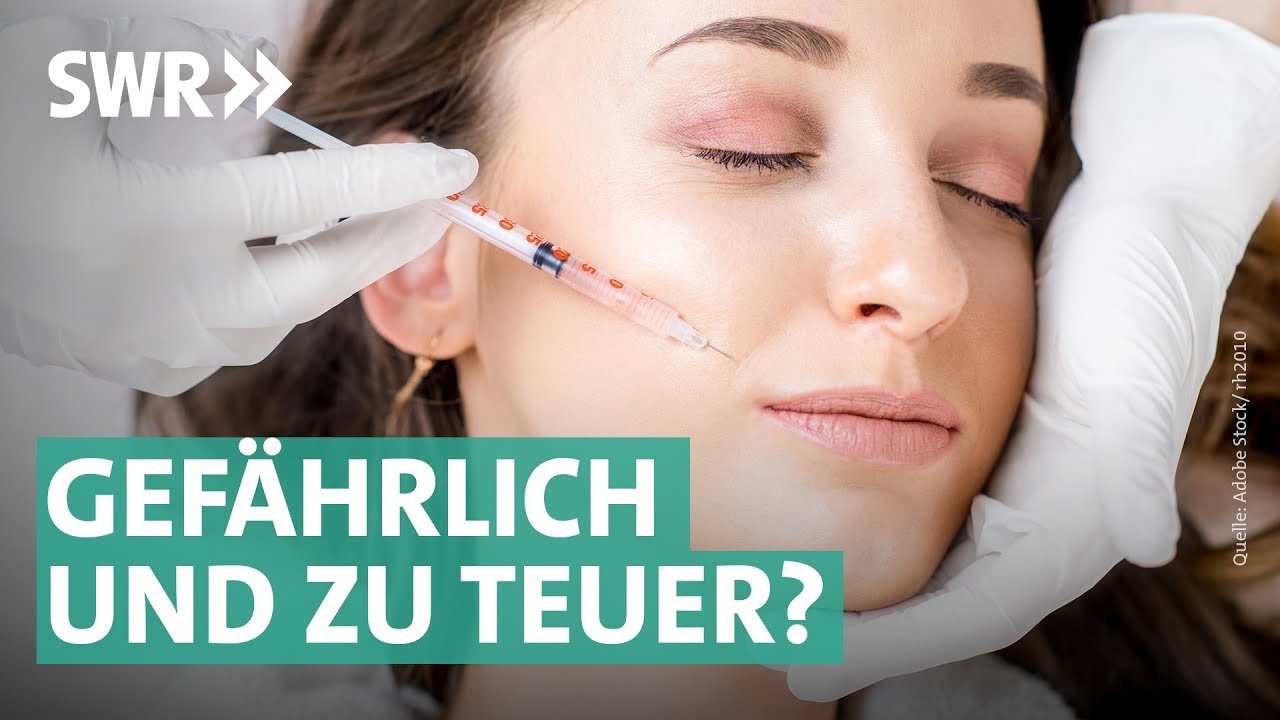
Botox is a neuromodulator that blocks acetylcholine at the neuromuscular junction. In plain language, it tells a targeted muscle to relax. That is how it works for wrinkles caused by expression, including frown lines, forehead lines, and crow’s feet. It can also reduce jaw clenching by weakening the masseter, lift the brows a few millimeters by reducing downward pull, soften neck bands, and calm chin dimpling. In non-cosmetic uses, it helps with sweating in the underarms, hands, and feet, and can reduce migraines in properly selected patients.
A few common points are worth clearing up:
- Does Botox prevent wrinkles? It can, when used consistently and conservatively, by reducing repetitive folding that eventually creases the skin. Does Botox freeze your face? Not if it is done with measured dosing and an eye for your personal expressiveness. Frozen looks come from over-treatment or poor placement. Does Botox help acne or pores? Indirectly, it can quiet oil production when injected very superficially in microdroplets, and by smoothing movement, skin texture can look more even. It is not an acne cure. Does Botox slim the face? It can slim the lower face when injected into enlarged masseter muscles. Expect a gradual change over 6 to 10 weeks.
Timelines you should plan around
Clients often ask how long Botox takes to work. Early changes appear in 2 to 4 days, with peak results around day 10 to 14. On the face, the effect usually lasts 3 to 4 months. Heavier doses in large muscles like the masseters or in the underarms for sweating can last 4 to 6 months, sometimes a bit longer for those who repeat treatments on schedule.
Fillers are different. Hyaluronic acid fillers give immediate lift with some settling over 1 to 2 weeks. Longevity ranges 6 to 18 months depending on the product and placement. The cheeks and temples often last closer to a year or more, lips and perioral lines closer to 6 to 9 months due to motion and vascularity.
Exercise and metabolism have modest effects. Intense cardio most days of the week can shorten Botox’s duration slightly for some people. It is not dramatic, but I do plan for 2.5 to 3 month touchpoints in very active clients rather than four.
Mapping a combined plan that looks like you
A strong plan begins with an honest read of your face at rest and in motion. Photographs help. So does a quick video of you frowning, raising brows, and smiling. I mark the areas that are movement-dominant, then map where support is missing. Many patients over 40 have a pattern of lateral brow descent, midface deflation, and deepening marionette shadows. Younger patients seeking preventative aging often show overactive frown and forehead lines with minimal volume loss. Men tend to need higher Botox units to overcome stronger muscles and benefit from firmer filler choices to maintain a masculine contour.
The question I answer for each area is straightforward: is the line more about motion or about deflation and tethering? Motion cues Botox. Deflation cues filler. Some zones, like deep glabellar furrows or etched forehead lines, call for both.
Typical Botox dosing, explained with ranges
There is no universal chart that fits every face, but there are typical ranges that guide the first pass. For the forehead, 6 to 20 units may be sufficient depending on height of the forehead, muscle density, and sex. The glabella, often labeled the frown or “11s,” commonly runs 15 to 25 units. Crow’s feet often take 6 to 12 units per side. The brow lift effect comes not from a special formula, but from strategic relaxation of the depressors like the orbicularis oculi and corrugators, while preserving frontalis function to avoid a dropped brow.
Small zones like bunny lines on the nose, chin dimpling, and downturned mouth corners require only a few units per side. Masseter slimming ranges widely, often 20 to 40 units per side across two or three injection points, staged over several sessions.
If you are a first timer wondering how many units of Botox you need, start from these ranges and be ready to adjust at a two week review. I prefer an approach that leaves you 10 percent more movement than you think you want on day two, then perfects it at the follow up.
Fillers do the heavy lifting, literally
Hyaluronic acid fillers differ in density, stretch, and lift. Cheeks, temples, jawline, and chin need structure, so I reach for firmer gels that maintain shape. The lips, tear troughs, and fine perioral lines ask for softer products with less water draw. With nasolabial folds and marionette lines, I correct the cause first, which is often midface descent or pre-jowl sulcus emptiness, then touch the fold itself with minimal filler to keep it natural.
A quick principle that rarely steers you wrong: build scaffolding first, then paint details. If you skip cheek and temple support and chase the nasolabial fold directly, the midface can look heavy and the fold reappears when you smile.
Sequencing Botox and fillers for precision
For most full-face plans, I prefer Botox first, then fillers 7 to 14 days later. Once the muscles soften, I can judge true resting lines and know exactly where filler will give the most return. This also reduces the dose of filler needed in the glabella and forehead.
Same day treatments can be done safely with the right order and gentle technique. If I must combine, I will complete filler placement first, avoid aggressive massage in zones planned for Botox, then inject Botox with a light hand. I then ask the patient to avoid laying down for about 4 hours and to skip exercise that day. If there is any concern for filler malposition or swelling, I split the visits.
Natural results do not happen by accident
Natural results come from restraint and respect for your baseline features. If your forehead is very expressive and part of your identity, I treat the glabella more strongly and the forehead lightly, leaving the lateral frontalis active. If your brows are already low, I protect the central forehead while balancing the brow depressors to generate a small lift. Sharp cheek angles on a lean face demand careful filler choice to avoid shadowing. Fuller faces need contour rather than bulk. Men usually look best with lateral cheek support and a flatter, stronger jawline, botox treatment near me not anterior apple-cheek projection.
If you have seen “before and after” photos that look overdone, realize two common mistakes caused them. First, filler was used to chase lines caused by motion, rather than relaxing the muscle. St Johns FL botox Second, midface volume was added without respecting the vector of lift, creating a round, front-heavy look.
How to prepare for Botox and filler, then heal well
A smooth week begins with basic preparation. Avoid blood thinners when safe to do so with your physician’s guidance. That includes aspirin, many NSAIDs, fish oil, and high dose vitamin E for a few days before injections. Alcohol the night before or the day of treatment can make bruising worse. Show up hydrated and fed. Tense, dehydrated patients bruise more and feel more discomfort.
What does Botox feel like? Quick pinches and a mild sting. Filler is similar, with occasional pressure as product is placed on bone or in supportive planes. Most fillers have lidocaine in them, and topical numbing helps if you are sensitive.
Swelling and bruising depend on the area. Lips can swell for 24 to 48 hours. Cheeks tend to look normal within a day. Under eye work is fussier and bruises more easily. With Botox alone, swelling is minor and fades within an hour or two. If you do bruise, expect color changes over 5 to 10 days, often shorter with small pinpoint bruises.
Here is a compact aftercare and timing guide that covers most concerns.
- Do: keep your head elevated for 4 hours, use cold compresses in 10 minute intervals the first day, and use sunscreen daily. Do: light facial movements for an hour after Botox, such as gentle frowning and raising brows, which may help uptake. Don’t: exercise hard, drink alcohol, or take saunas the day of treatment, resume workouts the next day after Botox and 24 to 48 hours after most fillers. Don’t: massage or manipulate treated zones unless your injector instructs it, certain lip or jawline fillers are exceptions with guided massage. Don’t: schedule dental work or deep facials for about two weeks after filler, and avoid wearing tight hats or goggles that compress fresh filler.
This is the only checklist-style section in this article. Keep the rest of your questions coming to your injector directly, because small tweaks in instructions happen based on where product is placed.
Timing touch ups and maintenance
Botox touch up timing is usually 10 to 14 days after the initial session. That is when the peak effect sets in. I correct asymmetries and add a small number of units, often 2 to 6 units total, to balance the result. Most patients maintain on a Botox schedule of about every 3 to 4 months. In masseters, neck, and underarms, every 4 to 6 months is common.
Fillers do not need the same frequent touch ups, but small refinements at 4 to 8 weeks can polish an area if needed. Plan re-treatments based on product and area. Cheeks and chin often hold 12 months or more. Lips and perioral lines benefit from lighter re-volumizing at 6 to 9 months. Subtle results last longer when you avoid chasing a fixed number and instead schedule by objective change and your event calendar.
Safety, red flags, and when to pause
Can Botox go wrong? In inexperienced hands, yes. Over-relaxation can drop the brows or create asymmetric smiles. The good news is that neuromodulator effects wear off. Filler safety requires more vigilance. Vascular occlusion is rare but serious. Choose an injector who explains the risks, knows anatomy, uses aspiration or dynamic techniques appropriately, has hyaluronidase on hand, and welcomes follow-up.
There are days when I decline or delay treatment. Active infections, cold sores in or near the lip zone, a big event in the next 48 hours, and unmanaged medical conditions all push the schedule. Pregnancy and breastfeeding remain no-go zones for elective injectables. If you are on isotretinoin or had recent laser or microneedling in the same area, the timing needs a careful gap. Botox with microneedling can be combined in a plan, but I avoid direct overlap in the same sitting and usually separate them by a week or more depending on depth. Facials are fine after a week for Botox and two weeks for fillers if gentle.
Skincare around injectables
Good skincare stretches your results. Retinol is safe with Botox and fillers, but I pause strong retinoids for a day or two around injections if your skin is reactive. A vitamin C serum in the morning and sunscreen at SPF 30 or higher are non-negotiable for maintaining collagen and pigment balance. Hydration matters more than people think. Dry, compromised skin finds it harder to bounce light, and your outcome seems less dramatic. Stress and sleep also show on the face. Patients under heavy stress sometimes metabolize neuromodulators a touch faster, and sleep-deprived skin looks dull regardless of perfect injections.
Expectations by age, gender, and goals
For younger patients who want preventative aging, treatment is light and strategic. Small doses in expressive zones, such as glabella and crow’s feet, can delay etching. Fillers, if used, address subtle asymmetries or support a lip border rather than full augmentation. The goal is to keep the skin from folding deeply and to build balanced proportions.
For women over 40 and 50, planning shifts toward restoring contour. Temple volume, lateral cheek lift, and jawline refinement make a large difference. Botox helps open the eyes, reduce neck bands, and soften the brow heaviness that creeps in. I counsel these patients to prioritize scaffolding over fine line chasing. Photos from five years ago, not 20, serve as a better reference for natural targets.
Men benefit from neuromodulators for frown lines, forehead creases, and crow’s feet, often using slightly higher units due to muscle mass. Fillers focus on maintaining a strong, flatter cheek, subtle chin projection, and a distinct but not exaggerated jawline. Lip shaping is usually restrained. The goal is rested, not reshaped.
Avoiding common mistakes
There are a few consistent missteps that produce regret. Overfilling nasolabial folds without midface support is one. Injecting a high dose across the entire forehead in someone with low brows is another. Treating every etched line with filler is a third, when microdosing Botox or spacing treatments would be safer. Unrealistic timelines also trip people up. If you need camera ready skin by a specific date, build in margins. Botox peak results arrive in two weeks. Fillers settle in one to two weeks. Bruises take up to ten days to fade. Stack those windows with a cushion.
If Botox seems not to be working, there are a few reasons. The dose could be too low for your muscle strength. The placement could be off axis relative to the muscle’s action lines. The product may be fresh but you metabolize quickly. True resistance is rare but possible. The fix is a careful re-map and a transparent follow up, not a blind extra dose.
If you feel you have too much Botox, time is on your side. Gentle facial movement, patience, and in some cases targeted micro-doses to antagonistic muscles can rebalance expression. If filler looks heavy, hyaluronidase can reverse hyaluronic acid products within hours to days. Do not wait months if it does not look right.
The micro-questions patients ask, answered plainly
How often should you get Botox? Most do well with 3 to 4 month intervals. Preventative users sometimes stretch to four months if movement is still minimal at review.
How much Botox for forehead, crow’s feet, or frown lines? Forehead often falls between 6 and 20 units, crow’s feet 6 to 12 units per side, frown lines 15 to 25 units. First-timers and men tend to sit at the higher end. Fine tuning happens at two weeks.
How to prepare for Botox? Avoid blood thinners when safe, skip alcohol 24 hours before, arrive clean faced, and plan no intense workouts the day of treatment.
What not to do after Botox? Do not lie flat for four hours, do not rub the treated area, and skip heavy exercise, saunas, and alcohol for the rest of the day.
Can you exercise after Botox? Wait until the next day for workouts. Light walking is fine the same day.
Can you lay down after Botox? Wait about four hours to reduce the chance of product migration.
Can you drink alcohol after Botox? Best to wait until the next day due to bleeding and bruising risk.
Does Botox hurt? Most describe a quick sting. Filler has more pressure but numbing helps.
Does Botox lift eyebrows? Yes, by reducing the pull of depressor muscles, producing a small lift in candidates with the right baseline anatomy.
Does Botox help jaw pain and teeth grinding? It often reduces clenching and tenderness in the masseters, though bite force changes should be discussed with your dentist.
Botox vs filler for wrinkles? Use Botox for dynamic lines from motion, filler for static lines from volume loss. Deep, long-standing lines may benefit from both.
Botox vs laser, microneedling, chemical peels, or skin tightening? They target different layers. Neuromodulators affect muscle, fillers shape soft tissue, lasers and peels affect the skin’s surface and pigment, and tightening devices target collagen in deeper layers. Many plans weave these over months, not days.
A compact roles map you can remember
- Botox: relaxes movement lines, refines brow position, reduces jaw clenching, limits sweating, smooths chin and neck bands. Fillers: restore lost volume, lift and contour cheeks, temples, jawline, and chin, soften deep creases after muscle relaxation, balance asymmetry. Sequence: often Botox first, reassess at two weeks, then place filler precisely, or same day with careful order. Maintenance: Botox every 3 to 4 months on the face, fillers every 6 to 18 months depending on product and area. Guardrails: treat causes not symptoms, use the lowest dose that achieves the goal, and photograph for objective tracking.
This is the second and final list in this article.
Realistic outcomes and why subtle is stronger
Subtle results last longer in social trust. Most patients want compliments like “you look rested” rather than “did you have work done.” I encourage starting with conservative doses, accepting that a touch up may be needed. The data in my logs show fewer asymmetries and a lower rate of revisits for heaviness when we choose the 80 percent correction path on day one and close the gap at the review.
Natural outcomes also hinge on respecting light and shadow. Fillers placed superficially in mobile zones can create shine or ridges. Deep structural placement along bone in cheeks and chin creates more believable transitions. In the tear trough, filler choice and plane are critical, and sometimes the better choice is to support the cheek instead and improve the trough indirectly.
Questions to ask at your consultation
Come ready to interview your injector. Ask how they decide between Botox and filler for your specific lines. Ask how many units they estimate and why. Request a plan for sequencing and timing, including what to avoid after Botox and filler on the day and week following. Ask how they handle complications and what a follow up schedule looks like. Finally, look at example cases that match your age, sex, and baseline anatomy, not the clinic’s top ten dramatic transformations.
Final thoughts from the chair
The best combined plans feel calm. You know what will be done, in what order, and on what timeline. You know when Botox results peak and how long they last on the face. You have a practical aftercare routine and realistic expectations for swelling and bruising. You have an injector who explains trade-offs, not just options.
When Botox and fillers play to their strengths, you do not erase your story. You edit it. A softer frown here, a lift where the midface has thinned, and a jawline that matches how you feel on your best days. That is what combined treatment planning is for, and it is well within reach with a thoughtful map and steady hands.